Digital art trail explores decisions on organ and body tissue donation
Research by Northumbria University which explores public perceptions around organ, tissue and body data has been transformed into an Augmented Reality art trail in Newcastle.
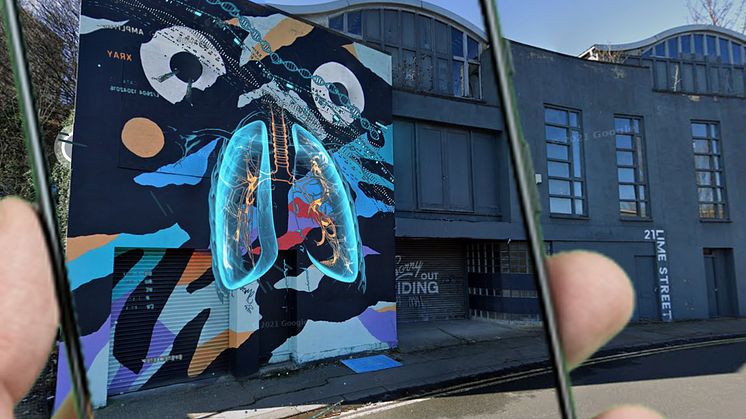
Research by Northumbria University which explores public perceptions around organ, tissue and body data has been transformed into an Augmented Reality art trail in Newcastle.
The world is facing an unprecedented energy challenge. While many countries around the world have committed to net-zero carbon emissions by 2050, we expect global energy for demand to double from today’s requirements within the same timescale. There is, therefore, an urgent need for sustainable solutions and technologies.

The 40-year mystery behind the cause of Jupiter’s spectacular natural light displays has finally been explained thanks to research by a team of international physicists, including Northumbria University’s Professor Jonathan Rae.
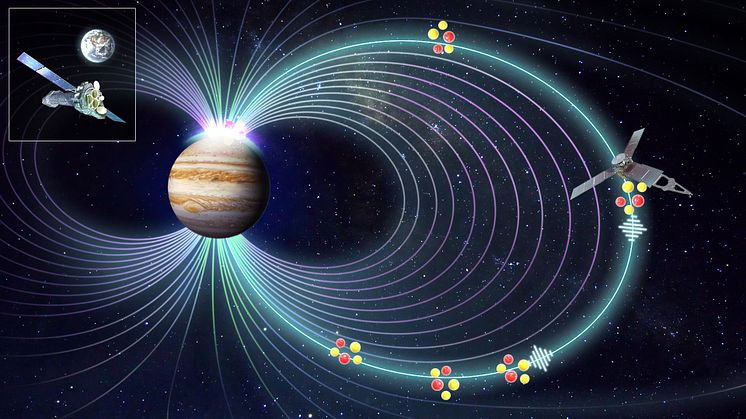
A team of space weather experts from Northumbria University has been awarded more than £400,000 to explore how to better predict the conditions in near-Earth space.

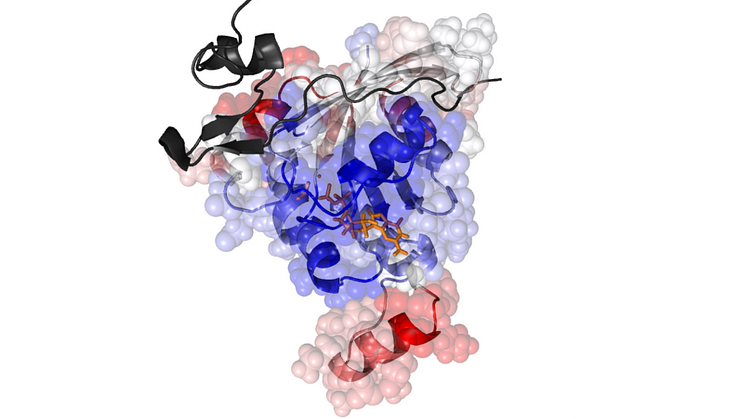
Researchers from Northumbria University in Newcastle, and Bogazici University in Turkey, have discovered a new way of examining the structure and dynamics of single protein molecules within the human body – which could help scientists better understand the progression and possible treatment of diseases such as cancer.
A team of scientists has discovered new activity within the Sun’s atmosphere which could explain how it reaches temperatures of more than a million degrees.

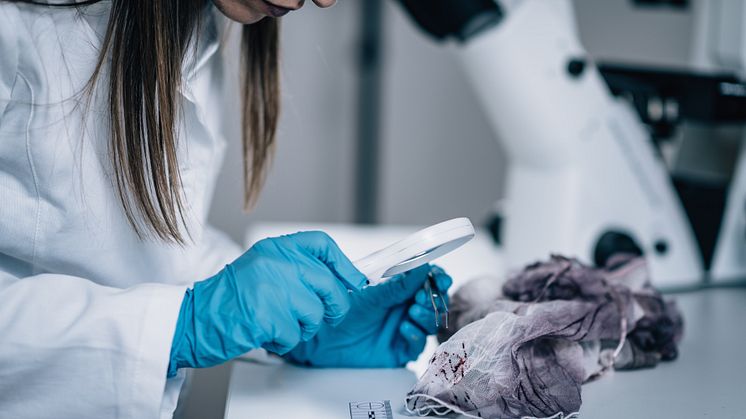
Breakthrough forensic research at Northumbria University, Newcastle, has revealed for the first time that textile fibres can, under certain circumstances, be transferred between clothing in the absence of contact.
A new study has revealed that the expanse of rock debris on glaciers, a factor that has been ignored in models of glacier melt and sea level rise, could be significant. The Northumbria University study is published in Nature Geoscience this week and is the first to manually verify the rock debris cover on every one of the Earth’s glaciers.

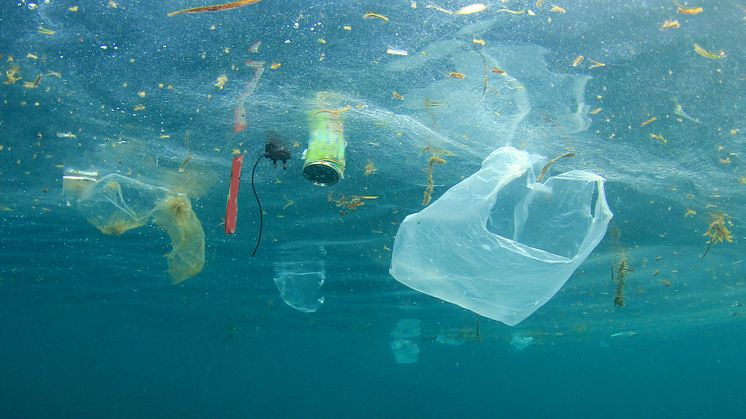
A new study has revealed that almost 13,000 tonnes of microfibres, equivalent to two rubbish trucks every day, are being released into European marine environments every year – but this could be reduced by as much as 30% if we made a small change to our laundry habits. The findings have been published by the scientific journal PLOS ONE for World Oceans Day on Monday 8 June.
An innovative breath collecting device developed by academics at Northumbria University, Newcastle, could revolutionise the way we diagnose diseases, such as the newly emerged strain of coronavirus, COVID-19.
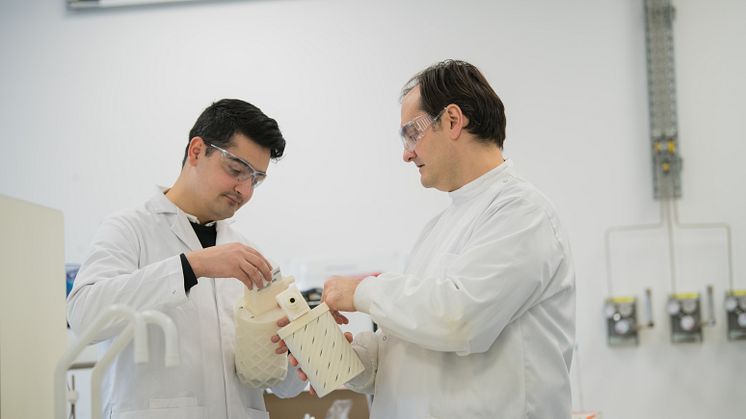
The reprocessing of spent nuclear fuel could become safer and more efficient in future after Northumbria University researchers found a way to modify the structure of molecules to remove radioactive materials. The research is published in the influential Chemistry - A European Journal and is described by its editors as being of 'great significance'.
The mystery of who painted a centuries-old artwork, and when, is closer to being revealed thanks to the work of art conservation and forensic science experts from Northumbria University, in Newcastle upon Tyne.

Northumbria University is proud to announce that a Knowledge Transfer Partnership project, which has brought together industry and academic experts to develop a new biomedical device, has been given the highest possible rating by an independent government assessor.
New research undertaken at Northumbria University shows that the Sun’s magnetic waves behave differently than currently believed. Their findings have been reported in the latest edition of the prominent journal, Nature Astronomy.

Dr Vasile Ersek, a senior lecturer in Physical Geography, writes for The Conversation about the discovery of new evidence of a drought that finished off the Akkadian Empire 4,000 years ago.
A new form of high speed wireless internet, which uses the lights in homes and offices to transmit data, could revolutionise the way we download and upload information in the future.

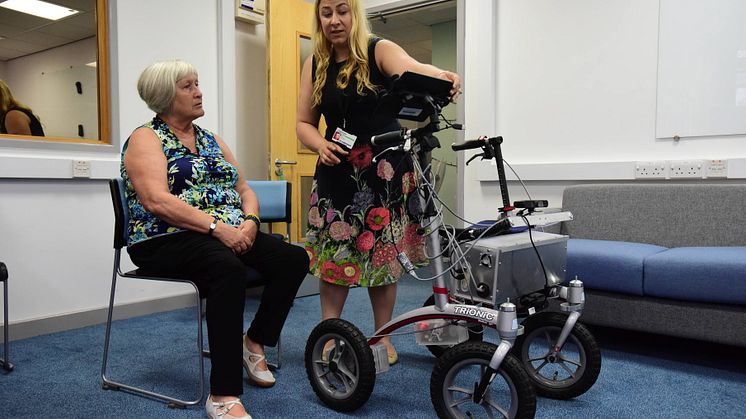
A robotic walking frame that could help older people recover more quickly after a fall or injury, reducing the length of time they need to stay in hospital, is being developed in partnership with researchers at Northumbria University, Newcastle.
Experts from around the world will visit Northumbria University, Newcastle next month to discuss how the creation of a Pan-African digital library could transform the lives of people living across the continent.

Research carried out by academics at Northumbria University, Newcastle could lead to improvements in treating patients with diseases caused by mutations in genes, such as cancer, cystic fibrosis and potentially up to 6,000 other inherited conditions.
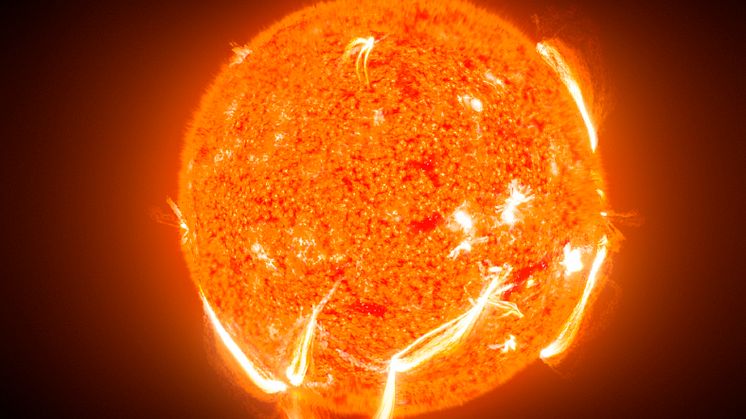
Researchers at Northumbria are helping increase understanding of the spectacular space phenomenon known as solar flares and their potential impact on the Earth.