Central Asia identified as a key region for human ancestors
The interior of Central Asia has been identified as a key route for some of the earliest hominin migrations across Asia in a new study published in PLOS ONE today (Friday 21 October).
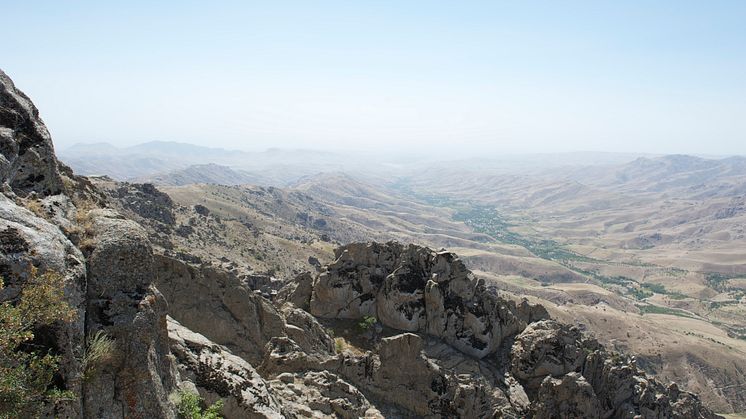
The interior of Central Asia has been identified as a key route for some of the earliest hominin migrations across Asia in a new study published in PLOS ONE today (Friday 21 October).
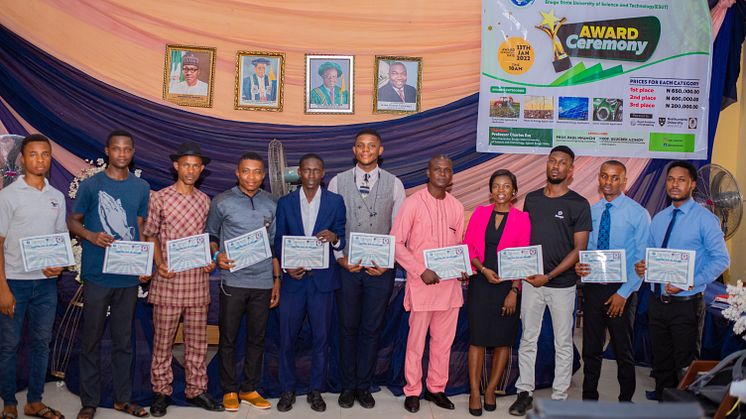
Researchers at Northumbria University have been instrumental in the creation of a centre for innovation and entrepreneurship in a low-income area of Africa
Tumble drying a load of laundry releases almost the same amount of potentially harmful microfibres into the air as those released down the drain during machine washing of the same load, finds new research from Northumbria University and Procter & Gamble.

The European Council for Computing in Construction (EC3) has bestowed a prestigious honour on Northumbria University’s Professor Mohamad Kassem.

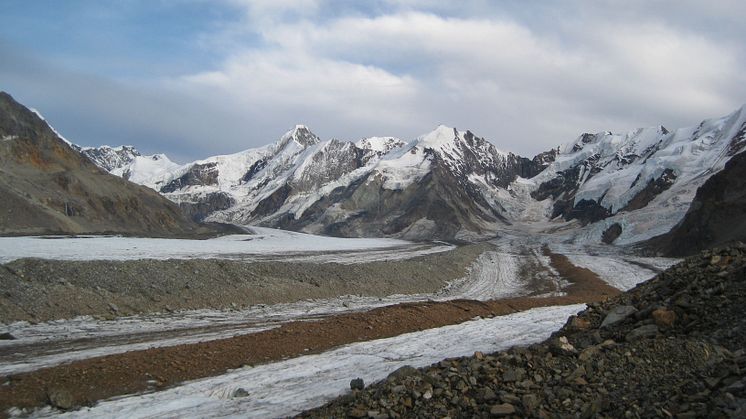
A new study has revealed that the expanse of rock debris on glaciers, a factor that has been ignored in models of glacier melt and sea level rise, could be significant. The Northumbria University study is published in Nature Geoscience this week and is the first to manually verify the rock debris cover on every one of the Earth’s glaciers.
A new study has revealed that almost 13,000 tonnes of microfibres, equivalent to two rubbish trucks every day, are being released into European marine environments every year – but this could be reduced by as much as 30% if we made a small change to our laundry habits. The findings have been published by the scientific journal PLOS ONE for World Oceans Day on Monday 8 June.

Researchers have produced the first physics-based quantifiable evidence that thinning ice shelves in Antarctica are causing more ice to flow from the land into the ocean. Their findings have been published in Geophysical Research Letters.

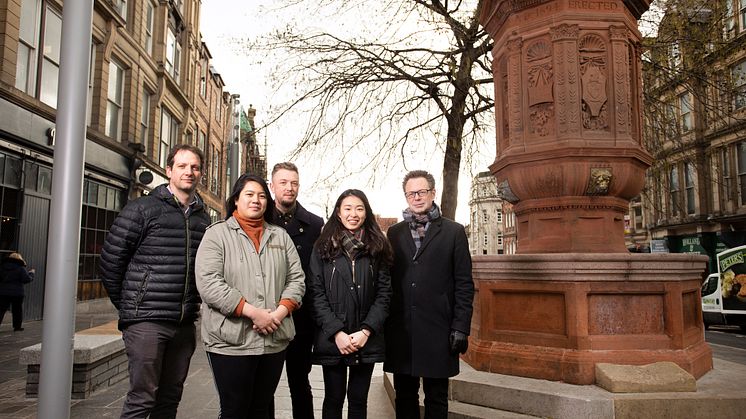
Design students from Northumbria University have joined forces with Newcastle Business Improvement District company NE1 Ltd, to create a series of innovative concepts, all designed to attract new audiences to the city’s Bigg Market.
Dr Vasile Ersek, a senior lecturer in Physical Geography, writes for The Conversation about the discovery of new evidence of a drought that finished off the Akkadian Empire 4,000 years ago.
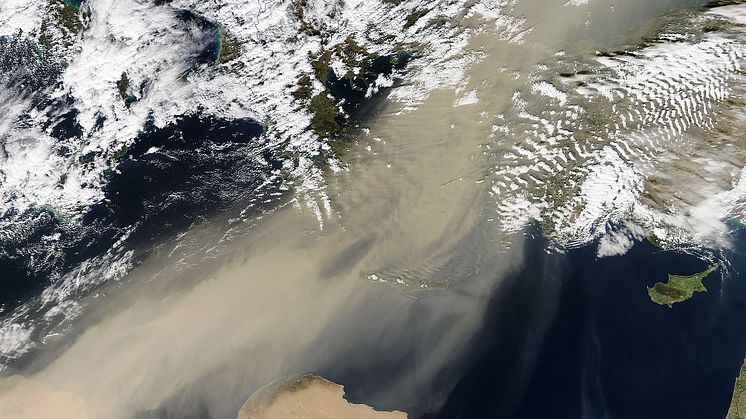
A peat bog in Romania provides a new insight into our knowledge of when the Sahara began to transform from grassland into the desert we know today, and the impact this had on dust deposition within Eastern Europe.
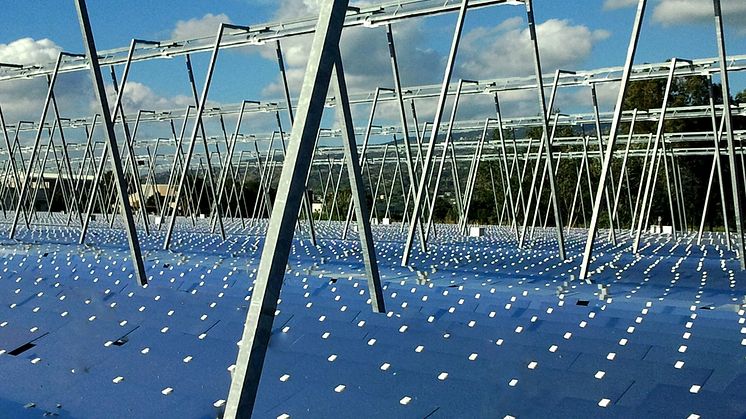
Researchers from Northumbria University are heading up a €4M (£3.3M) project to develop a revolutionary new heating and power system using solar energy.
Mike Jeffries, Teaching Fellow in Ecology at Northumbria, writes about the truth behind Groundhog Day for The Conversation.
Matthew Pound, Lecturer in Physical Geography at Northumbria University, writes about the Santorini eruption for The Conversation.