Scaling-up global solar panel manufacturing sustainably
Pioneering research led by Northumbria University shows how the renewable energy sector can scale-up the production of solar energy technology while further reducing environmental impacts.

Pioneering research led by Northumbria University shows how the renewable energy sector can scale-up the production of solar energy technology while further reducing environmental impacts.
A group of nine Northumbria University students travelled to the U.S. Embassy in London to present their climate and environment policy recommendations after months of being mentored by a number of industry experts from the public, private and third sectors.

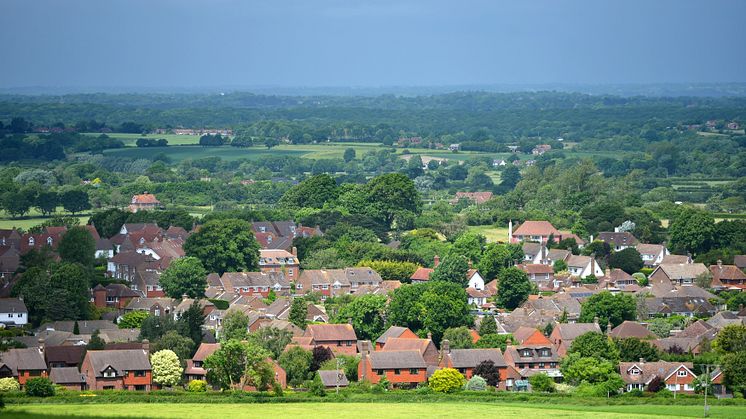
In an article written for The Conversation, Cameron McEwan, Associate Professor in Architecture at Northumbria University and Andreas Lechner, Associate Professor at Graz University of Technology, focus their research on the urban-nature divide, providing a solution of building on the greenbelt to solve the housing crisis.
Two environmental experts from Northumbria University are among 47 leading social scientists to be elected to the Fellowship of the Academy of Social Sciences.
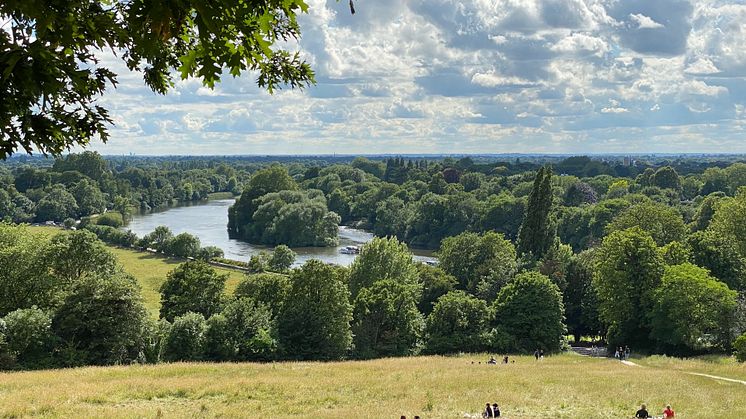
The social, health and economic benefits of properly planned and managed green spaces have been highlighted in a report to parliament, compiled by environmental scientists from Northumbria University.
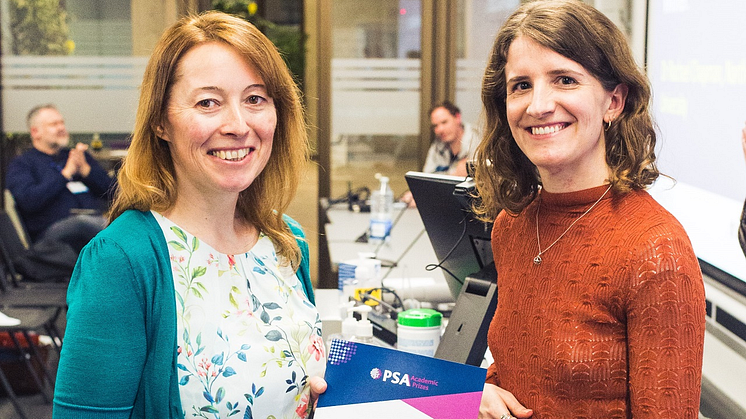
Dr Rachael Chapman has been awarded the inaugural Vicky Randall Prize by the Political Studies Association in honour of her outstanding contribution to advancing teaching and learning in Political Studies.
The Danube River starts in Germany and eventually flows into the Black Sea some 2,850 kilometres and ten countries later. If Germany were to dam or pollute the river, it could potentially affect nine other countries – and four of their capitals.
Activists are using food to draw attention to some of today’s most pressing issues. In an article written for The Conversation, Ekaterina Gladkova, Lecturer in Sociology and Criminology at Northumbria University, discusses why food is such a powerful symbol in political protest.
The accolade is conferred upon the most outstanding social scientists from around the UK each year, and Professor of Criminology, Dr Tanya Wyatt will this autumn join an elite group of distinguished individuals representing the full spectrum of the social sciences across academia, the public sector, business, and the area of Voluntary, Community and Social Enterprise (VCSE).

Students at Northumbria University have gained real-world knowledge and experience from a collaboration with the charity dedicated to preserving Newcastle’s green spaces.
Scientists have discovered that a lengthy drought led to the collapse and abandonment of the prehistoric Mexican city of Mayapan, demonstrating evidence of a connection between climate change and civil unrest among the ancient Maya.

One of the UK’s leading experts on nature and sustainable land use has been appointed as the sole special adviser to the House of Lords Select Committee investigating land use in England. Professor Alister Scott of Northumbria University will provide the Select Committee with specialist advice over the structure and content of the inquiry, which is due to report at the end of this year.
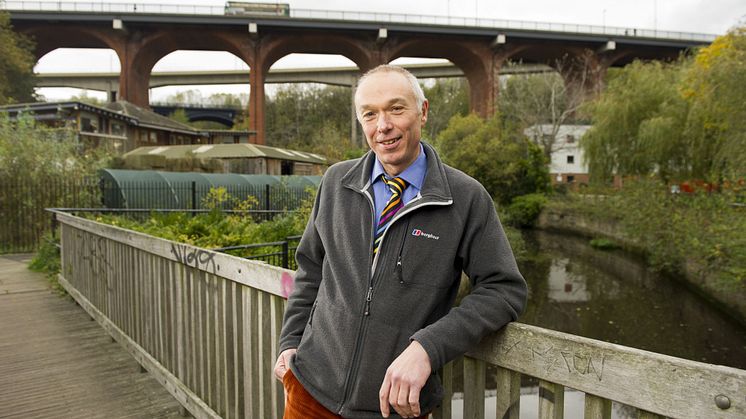
One of the key topics of discussion at COP26 is on how we can work with nature to improve our responses to the climate emergency. As part of our coverage of climate related research undertaken by Northumbria University, we asked Alister Scott, Professor in Environmental Geography, to share his views on the six lessons that governments and decision makers can take from his research.
The latest edition of the influential journal Town & Country Planning has been edited by a leading Environmental expert from Northumbria University, Newcastle.
Anna Szolucha, postdoctoral research fellow at Northumbria University, explores why the impact of tremors at the Preston New Road fracking site near Blackpool are reverberating so strongly throughout the community living on the surface.
The role of nature and the environment in future planning and housing developments will be the focus of a free lecture taking place at Northumbria University on Tuesday 14 February.