Climate change could shrink vital tropical rainfall belt
A tropical rainfall belt providing critical summer rains to billions of people is at risk of shrinking due to future climate warming, according to new research.
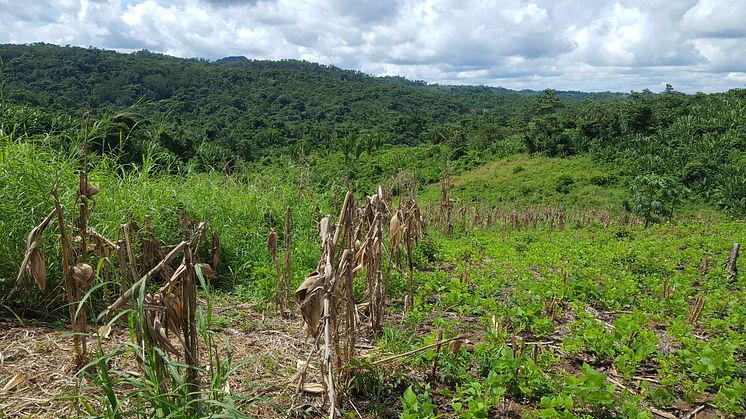
A tropical rainfall belt providing critical summer rains to billions of people is at risk of shrinking due to future climate warming, according to new research.
Researchers have produced the first physics-based quantifiable evidence that thinning ice shelves in Antarctica are causing more ice to flow from the land into the ocean. Their findings have been published in Geophysical Research Letters.

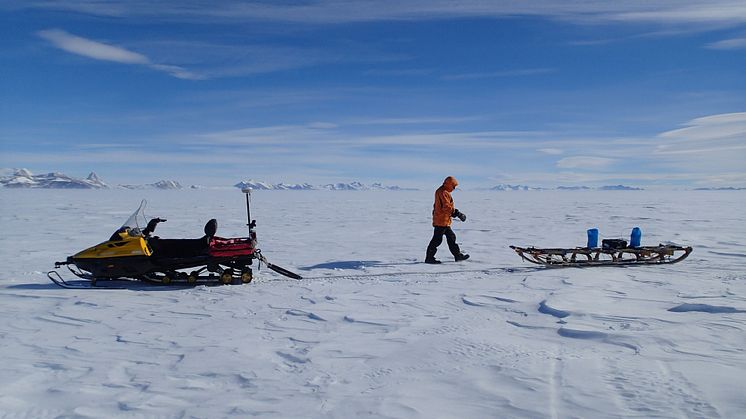
A Northumbria University researcher is one of almost 100 scientists and support staff who have travelled to Antarctica this week (15 November 2019) for the most ambitious mission to date for Thwaites Glacier in West Antarctica.
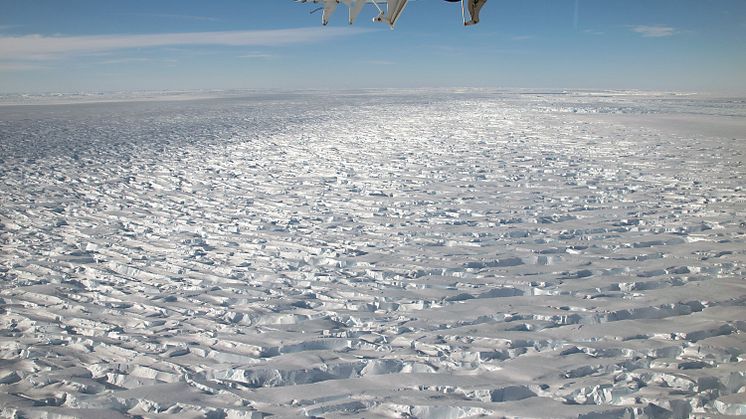
A major £4 million EU-funded study to investigate how changes in Antarctica’s ice sheets and shelves may lead to a large and irreversible rise in global sea level over the coming decades is about to begin. Experts from the UK, Norway, Germany and France will work together to investigate the likelihood of abrupt changes in the movement of ice in the Antarctic region over the next 100 years.
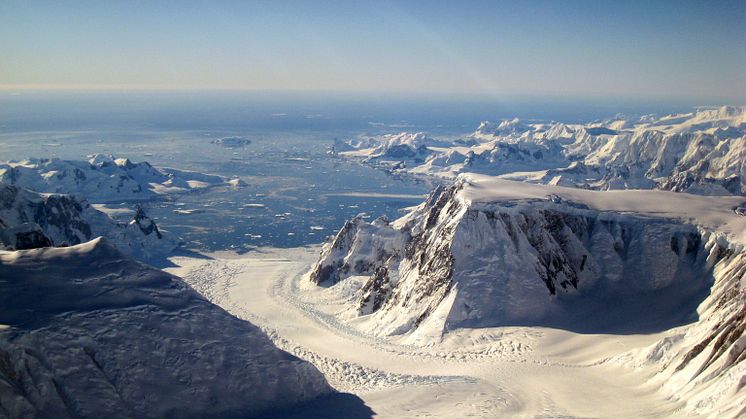
The international news channel Bloomberg is broadcasting stunning footage of Antarctica’s landscape captured by a Northumbria University academic who was undertaking research on the continent.

International development experts from across the world gathered in Newcastle upon Tyne this week for the fourth annual Global Challenges Summit.

Kevin Muldoon-Smith, Lecturer in Real Estate Economics and Property Development, and Paul Michael Greenhalgh, Professor of Real Estate and Regeneration, both at Northumbria University, discuss real estate in relation to climate change.
Thousands of annual heat-related deaths could be potentially avoided in major US cities if global temperatures are limited to the Paris Climate Goals compared with current climate commitments, according to a new study published today in Science Advances.

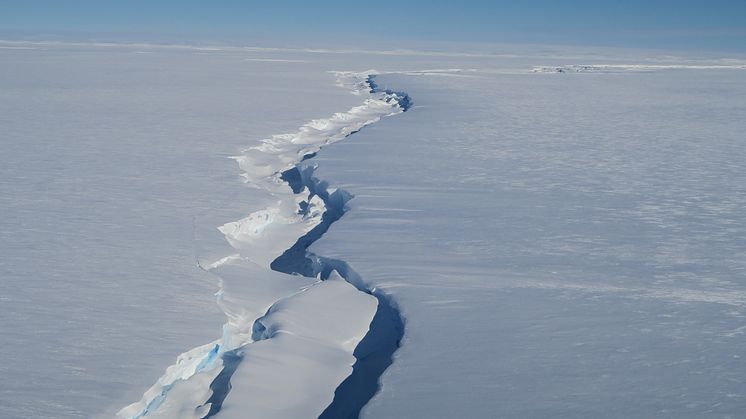
Glaciology experts have issued evidence that a large section of the Brunt Ice Shelf in Antarctica, which is home to the British Antarctic Survey’s Halley Research Station, is about break off.
Cities of the future could be better able to withstand multiple hazards such as floods, earthquakes or landslides, thanks to a £20 million initiative, of which Northumbria University is a key partner.
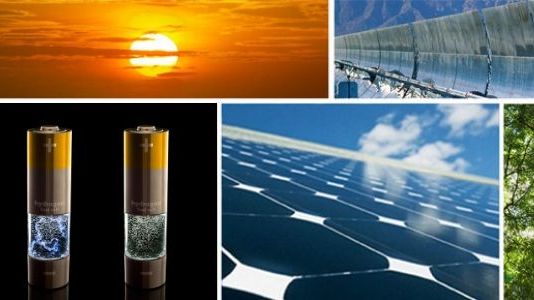
The North East’s reputation for renewable energy research has received a major boost, with confirmation that the UK’s next generation of doctoral researchers in this field will train in the region.
Dr Vasile Ersek, a senior lecturer in Physical Geography, writes for The Conversation about the discovery of new evidence of a drought that finished off the Akkadian Empire 4,000 years ago.
Northumbria's research on Antarctica’s Thwaites Glacier celebrated for its contribution to understanding the impact of climate change on global sea levels.

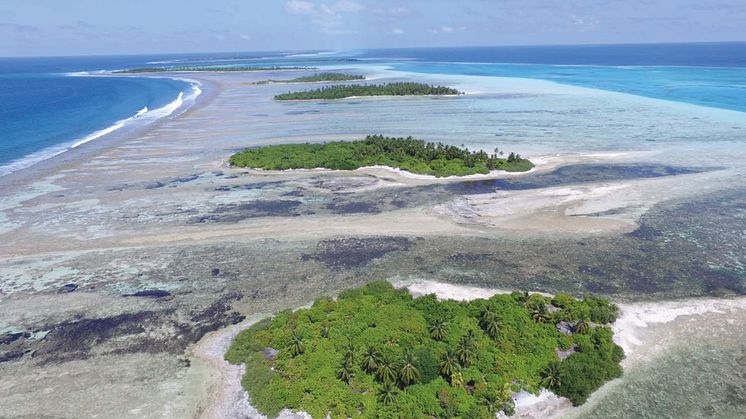
Rising global sea levels may actually be beneficial to the long-term future of coral reef islands, such as the Maldives, according to new research published in Geophysical Research Letters.
A new multimillion pound centre to train scientists to transform our understanding of planet Earth has been announced between Northumbria University and Newcastle University.

A leading Polar specialist from Northumbria University, Newcastle will shortly be returning to Antarctica to undertake more ground-breaking research after winning a prestigious international award.
Climate change may have played a more important role in the extinction of Neanderthals than previously believed, according to a new study published in the journal, Proceedings of the Natural Academy of Sciences.

A team of world-leading Polar experts have been trialling a new tool developed by researchers from Northumbria University, Newcastle, that will better predict how ice sheets will evolve over time.
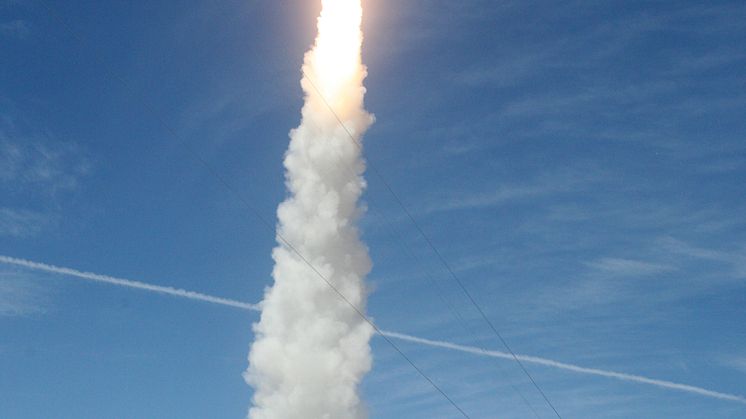
Solar physicists at Northumbria University, Newcastle are poring over brand new images of the atmosphere of the Sun taken by NASA on a recent missile launch.
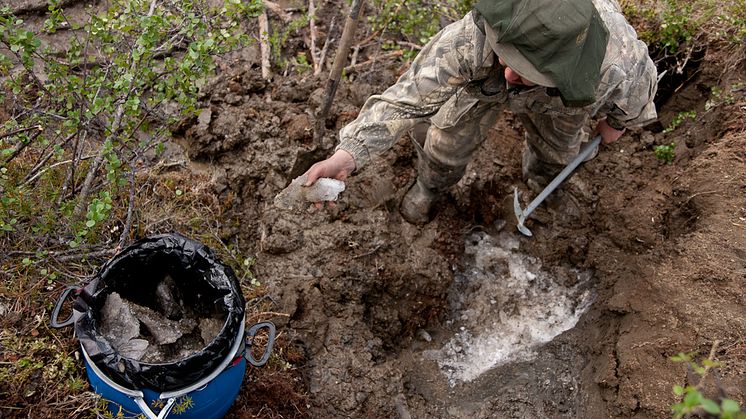
A major investigation into the impact of thawing permafrost and the subsequent release of frozen carbon on coastlines in the Siberian Arctic has been announced today (Tuesday 3 July).