Northumbria University announces £50m space skills, research and development centre set to transform the UK space industry
Investments from Lockheed Martin, the UK Space Agency and Northumbria University forge pathway for NESST’s global prominence.
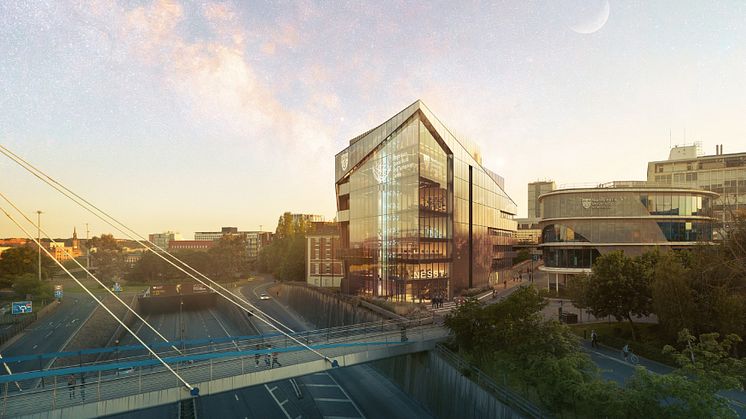
Investments from Lockheed Martin, the UK Space Agency and Northumbria University forge pathway for NESST’s global prominence.
In an article written for The Conversation*, Deirdre McKay, Professor of Sustainable Development at Keele University, Kelly Sheridan, Associate Professor in Forensic Science at Northumbria University, and Axa Research Fund Fellow Thomas Stanton from Loughborough University discuss new research on the shedding of microfibres.
In an article written for the Conversation, Jan De Rydt, Associate Professor of Polar Glaciology and Oceanography at Northumbria University, along with Ocean-Ice Modeller Kaitlin Naughten and Ocean and Ice Scientist Paul Holland, both from the British Antarctic Survey, discuss their recent research findings on the warming of the West Antarctic ice sheet.
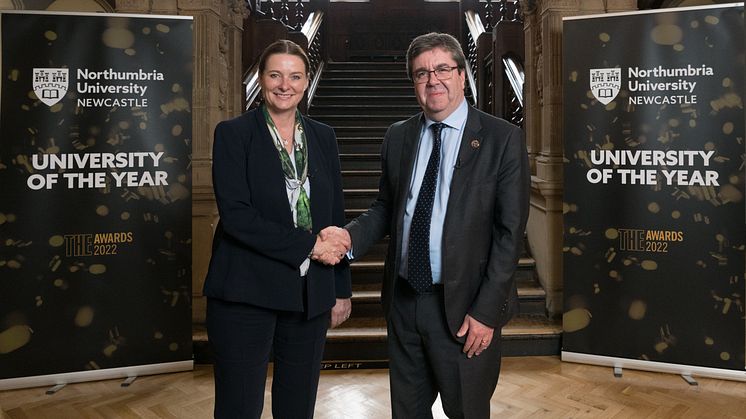
The Secretary of State for Education, the Rt Hon Gillian Keegan, visited Northumbria University, Newcastle, to discuss unlocking opportunities for young people in the region and to hear about ground-breaking research in areas of global significance.
A Northumbria University academic is part of a team of scientists to be awarded a prestigious physics gold medal and prize for their work developing the world’s first room-temperature MASER.
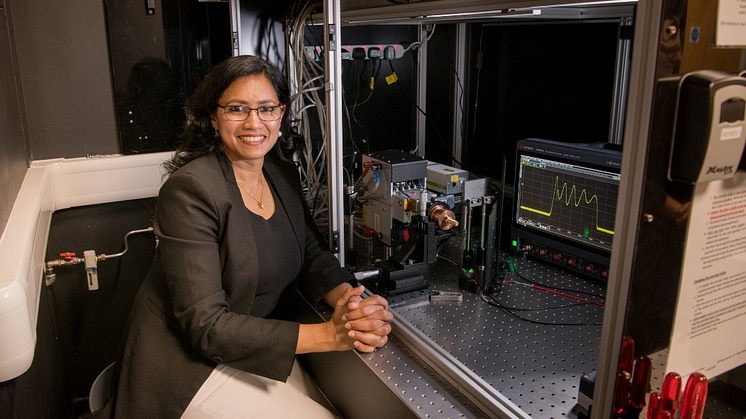
A Northumbria university academic has been awarded almost half a million pounds to develop a new process for sorting micro-nano particles which could improve cancer diagnosis and treatment.
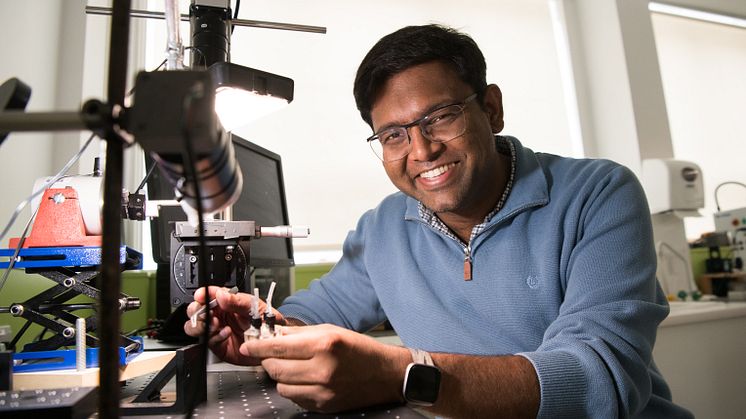
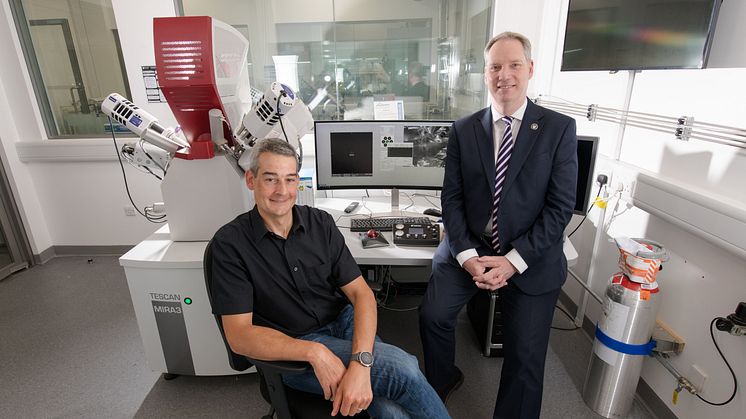
An award of £1 million to support the expansion of engineering and surface science research facilities at Northumbria University has been announced today by the Wolfson Foundation.
A team of scientists led by a Northumbria University academic has won funding to research an eye disease suffered by over 190 million people worldwide.
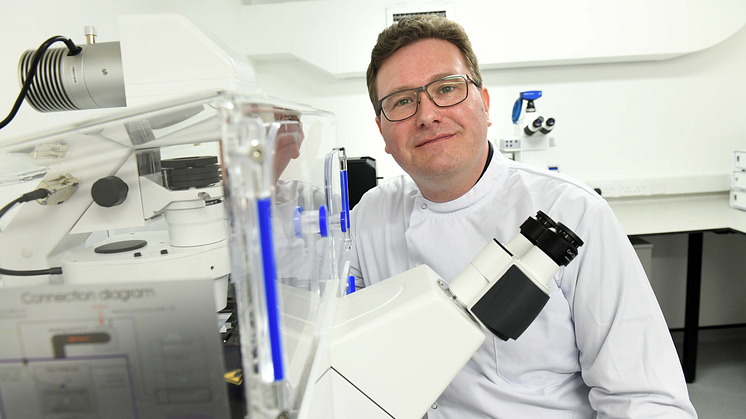
Researchers from Northumbria University have found that swapping red and processed meat for Quorn’s mycoprotein, a fungi-based meat alternative, leads to a significant reduction in intestinal genotoxins - which can cause bowel cancer - and increases healthy gut bacteria.

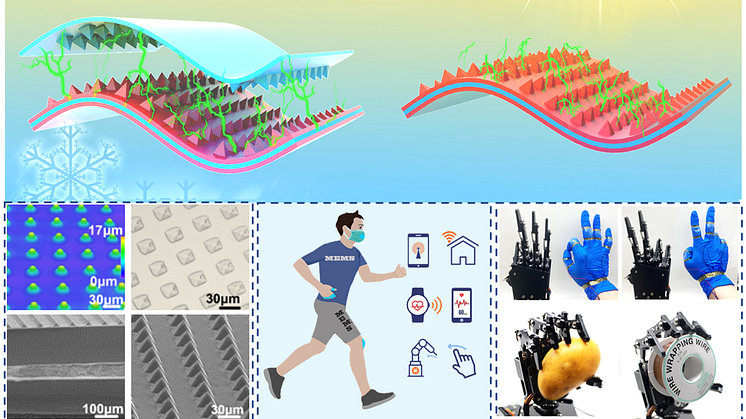
New research involving a Northumbria University Professor has developed a wearable sensor capable of wirelessly transmitting information via acoustic waves through air and water.
Newly published research carried out using synthetic human bone marrow cells is paving the way for the development of safer and kinder treatments for children with leukaemia.

Newly published research led by Northumbria University shows that, contrary to what is commonly believed, the venom of snakes and spiders is actually populated with microbes, including bacteria that could cause infection in people who have suffered a bite.

Results from the Research Excellence Framework (REF2021) show Northumbria University with the biggest rise in research power ranking of any UK university. Its research power ranking rose to 23rd, having previously risen to 50th in 2014 from 80th in 2008, making Northumbria the sector’s largest riser in research power ranking for the second time.

Harvesting energy from the day-to-day movements of the human body and turning it into useful electrical energy, is the focus of a new piece of research involving a Northumbria University Professor.
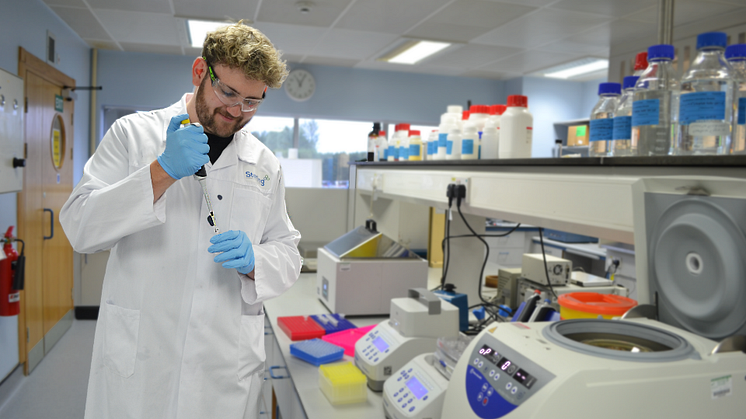
A Knowledge Transfer Partnership (KTP) project with partners Sterling Pharma Solutions and Northumbria University has been awarded the top grade of ‘Outstanding’ by Innovate UK’s independent assessors.
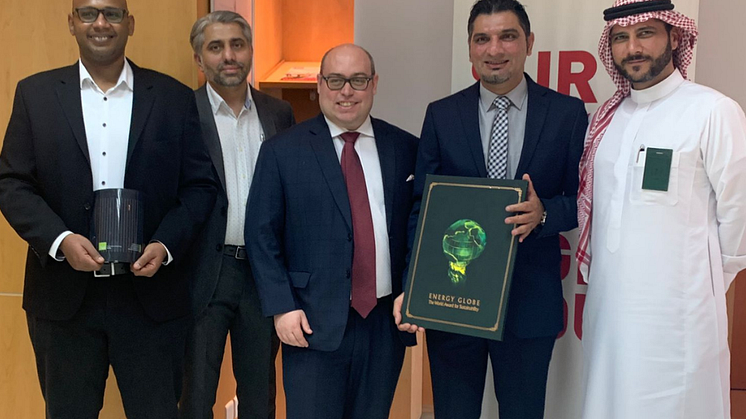
A project which uses solar energy to turn sea water into clean, safe drinking water has been recognised for its contribution to future sustainability with a world-renowned Energy Globe Award.
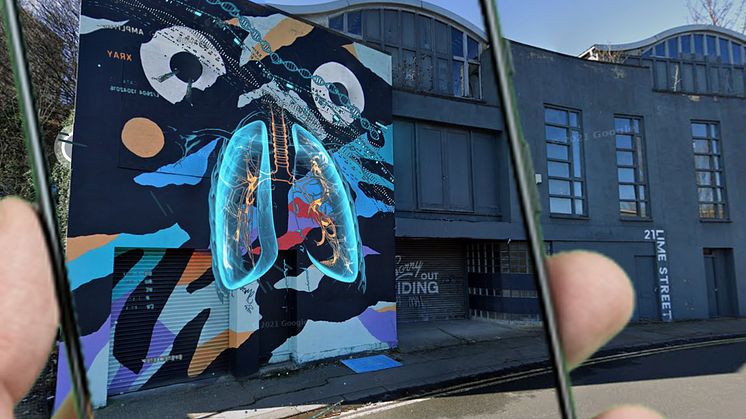
Research by Northumbria University which explores public perceptions around organ, tissue and body data has been transformed into an Augmented Reality art trail in Newcastle.
The world is facing an unprecedented energy challenge. While many countries around the world have committed to net-zero carbon emissions by 2050, we expect global energy for demand to double from today’s requirements within the same timescale. There is, therefore, an urgent need for sustainable solutions and technologies.

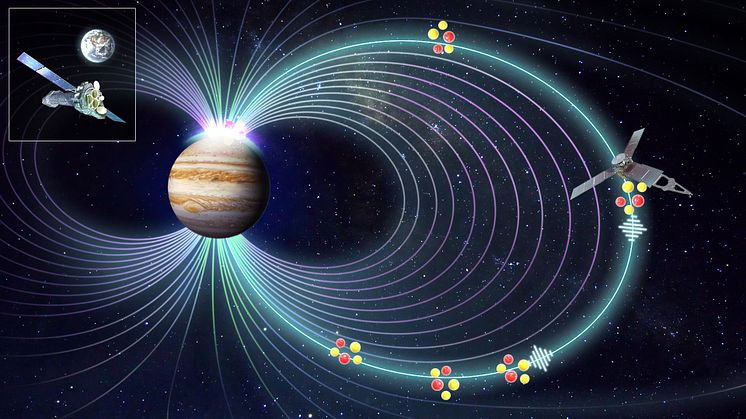
The 40-year mystery behind the cause of Jupiter’s spectacular natural light displays has finally been explained thanks to research by a team of international physicists, including Northumbria University’s Professor Jonathan Rae.
A team of space weather experts from Northumbria University has been awarded more than £400,000 to explore how to better predict the conditions in near-Earth space.
