Northumbria University leads pioneering research to tackle hidden lead exposure in children
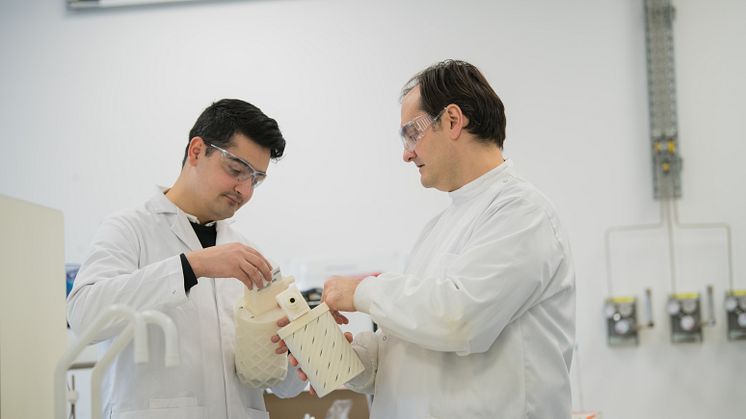
Pioneering research launches in Leeds to test new approach to assessing the risk to children from hidden lead exposure.
Researchers have been awarded £1.6 million to develop a network which will support people living with dementia by connecting existing technology and services, as well as developing new innovations.
Major improvements could be made to the development and production of mRNA-based vaccines and medicines after a university and industry consortium received funding to investigate how AI and machine learning can speed up manufacturing processes.
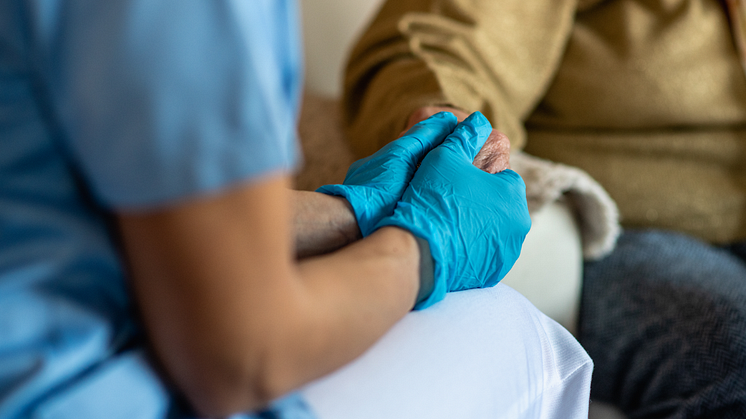
As the public inquiry into the UK’s response to Covid-19 continues, new research led by Northumbria University academics shines a light on the impact of moving patients from hospitals to care homes in England during the pandemic.
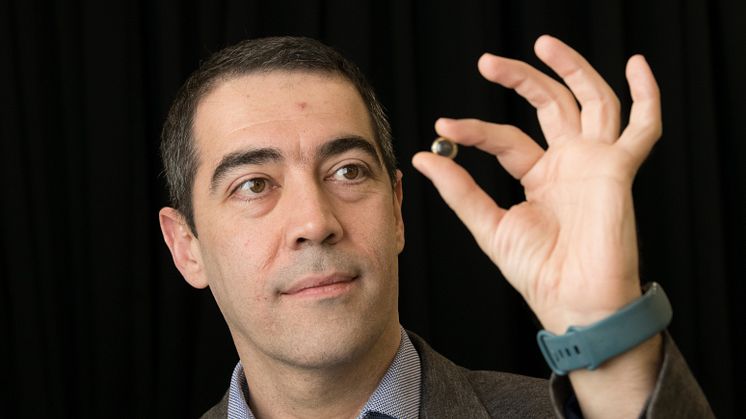
Researchers from Northumbria University and Boğaziçi University have developed a contact lens that can detect changes in eye pressure, an early sign of glaucoma. The lens contains micro-sensors that monitor intra-ocular pressure over several hours and send the data wirelessly for analysis. The technology has been successfully tested on six participants and will undergo further study.
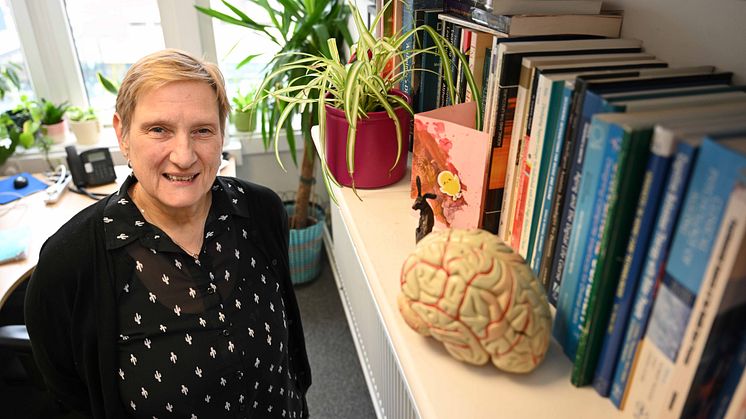
In an article written for The Conversation*, Leigh Riby, Cognitive-Neuroscience Professor at Northumbria University discusses the recent breakthrough in neuroscientific research which suggests that music – both sad or happy – has therapeutic healing powers linked with emotional recognition and brain re-engagement.
A talented Graphic Design student, who tragically died the day after he was diagnosed with a type of cancer called sarcoma, has inspired an awareness-raising initiative involving Northumbria University students and the charity Sarcoma UK.
A team of scientists led by a Northumbria University academic has won funding to research an eye disease suffered by over 190 million people worldwide.
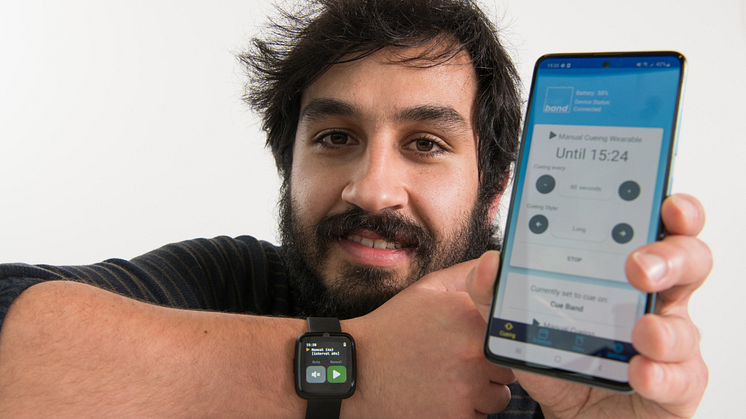
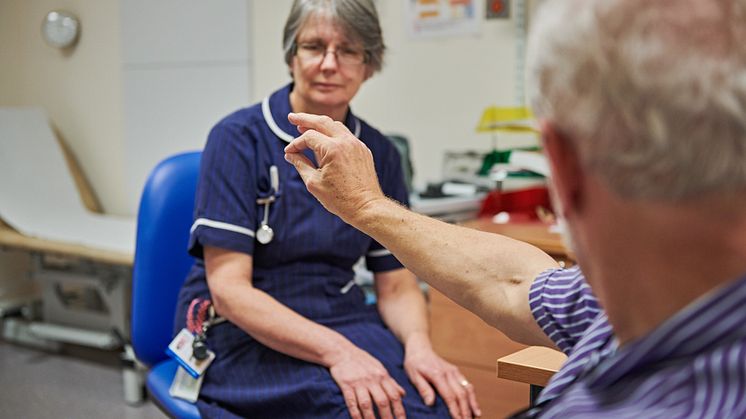
A team of researchers have received funding from Parkinson’s UK to create a device which tackles one of the symptoms of Parkinson’s disease.
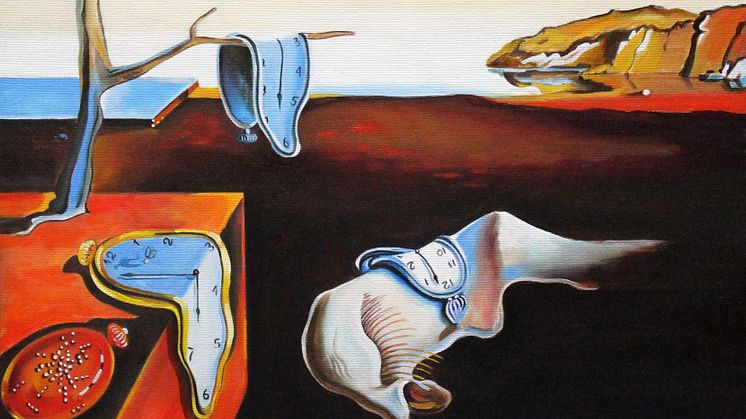
People living with HIV have a significantly delayed internal body clock, consistent with the symptoms of jet lag, according to new findings reported by researchers from universities in South Africa and the UK.
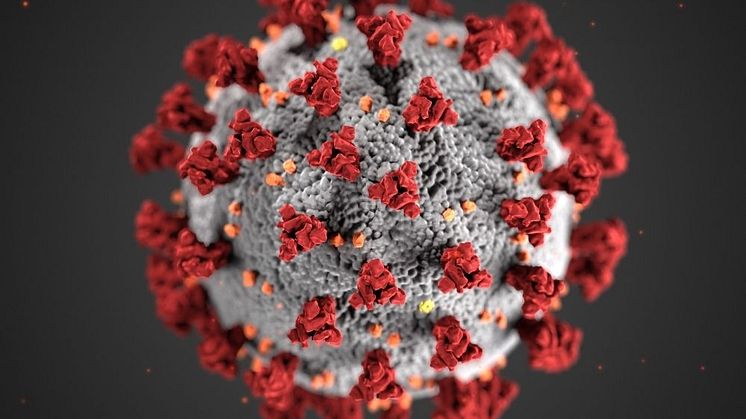
Northumbria University is set to develop new methods for detecting Covid-19 ‘Variants of Concern’ and identifying potential ‘Variants of Interest’ following new funding from the national genome sequencing consortium, COG-UK.
Research from Northumbria University, Newcastle, has shown the important role specific types of exercise can play in the management of bone loss, fatigue and muscle dysfunction for those with Crohn’s disease.
Northumbria University researchers would like to hear from people with Parkinson’s and their families and carers, about their experiences of their Parkinson’s Nurse as part of a £100,000 study into the support for people with the condition. They are also looking to hear from specialist nurses to understand their knowledge on appropriate care and support for people with Parkinson’s.
An innovative breath collecting device developed by academics at Northumbria University, Newcastle, could revolutionise the way we diagnose diseases, such as the newly emerged strain of coronavirus, COVID-19.
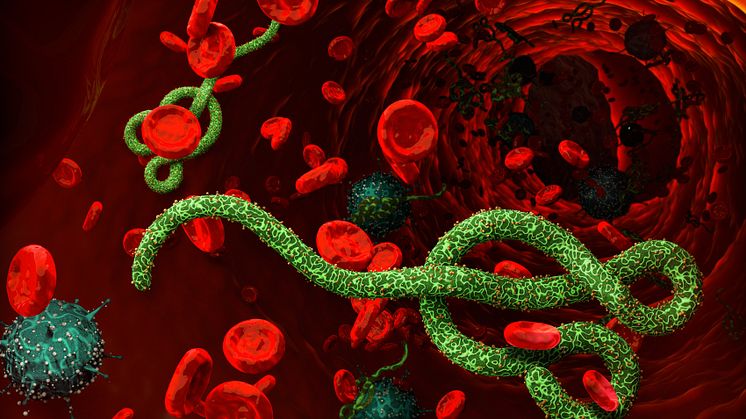
Associate Professor, Dr Sterghios Moschos, discusses the spread of the Ebola virus to Uganda for The Conversation.
Staff and students at Northumbria University will mark World AIDS Day by celebrating the life and work of a former academic, and launching two new initiatives aimed at highlighting the challenges faced by those living with Human Immunodeficiency Virus (HIV).
A new, faster and safer way of diagnosing the Ebola virus has been developed by an academic from Northumbria University, Newcastle. Research led and carried out by Dr Sterghios Moschos at Northumbria means that patients with Ebola-like symptoms can be identified and treated much sooner and at the point of care, helping to reduce the spread of the disease and risks to others.
A History graduate is using his internship in the House of Commons to help raise awareness of Crohn’s Disease and Ulcerative Colitis.
Tom Heffernan, Programme Leader in Psychology with Criminology, and Anna-Marie Marshall, PhD researcher and demonstrator at Northumbria University, write about smoking for The Conversation.