Royal Honour as leading researcher awarded Polar Medal
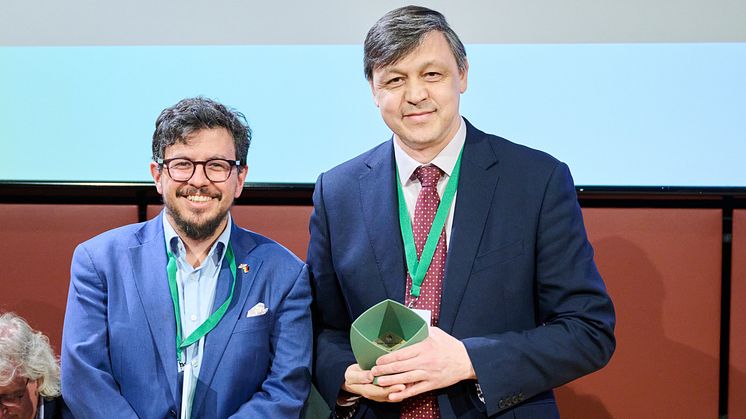
Professor John Woodward of Northumbria University has been awarded The Polar Medal in recognition of his outstanding work and contribution to UK scientific knowledge of the polar regions.
Northumbria University has been rated as ‘1st class’ for sustainability and is once again the highest ranked university in the North East of England in the latest People & Planet University League table.
A Northumbria University research project has been highly commended at the 2025 Green Gown Awards – one of the most prestigious sustainability awards in the global education sector.
Research led by polar scientists from Northumbria University has revealed new hope in natural environmental systems found in East Antarctica which could help mitigate the overall rise of carbon dioxide in the atmosphere over long timescales.
Melt from ice sheets on Earth is already contributing to flooding across the globe and is expected to increase in the coming decades. Adaptation to reduce the destructiveness of future sea level rise is under way and depends critically, inch by inch, on the work of a newly-funded, international group of polar scientists.
The renowned architect, author and TV presenter George Clarke has been appointed as the new Chancellor of Northumbria University, Newcastle.
Global fashion leaders gathered at Northumbria University to address textile microfibre pollution through a research collaboration with The Microfibre Consortium and Fashion for Good. The Behind the Break project analyses fibre shedding, emphasising science-led solutions and sustainable practices to mitigate environmental impact from textiles.
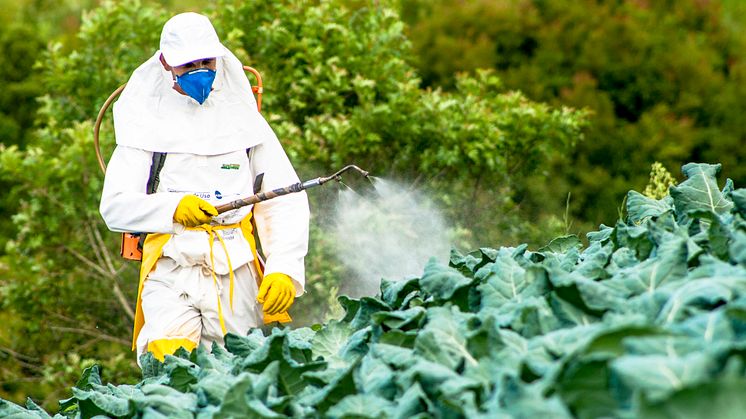
Researchers are set to shine a different kind of light on the farming industry after receiving funding to explore how fluorescent materials used in TV and phone screens can be used to detect the presence of pesticides and herbicides in food production.
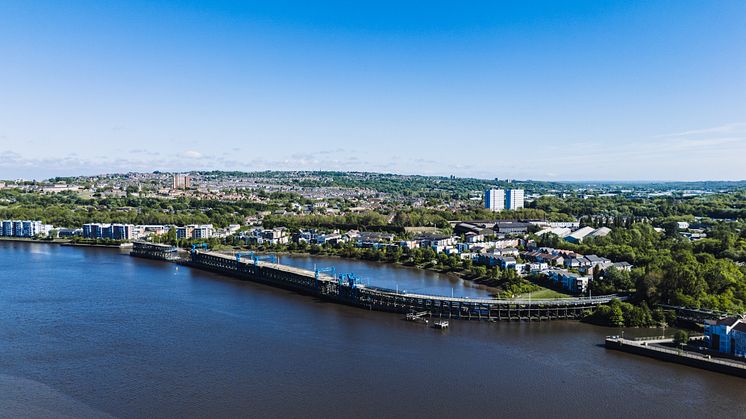
A researcher at Northumbria University is part of a collaboration to create three new ‘Green Corridors’ in the North East of England, transforming 35 miles of urban, suburban, and rural areas across the region.
Scientists have found evidence that the Asian continent was free of permafrost all the way to its northerly coast with the Arctic Ocean when Earth’s average temperature was 4.5˚C warmer than today, suggesting that the whole Northern Hemisphere would have also been free of permafrost at the time.
Northumbria University has been ranked top 10 in the UK and among the top institutions in the world for sustainability in the Times Higher Education Impact Rankings 2025.
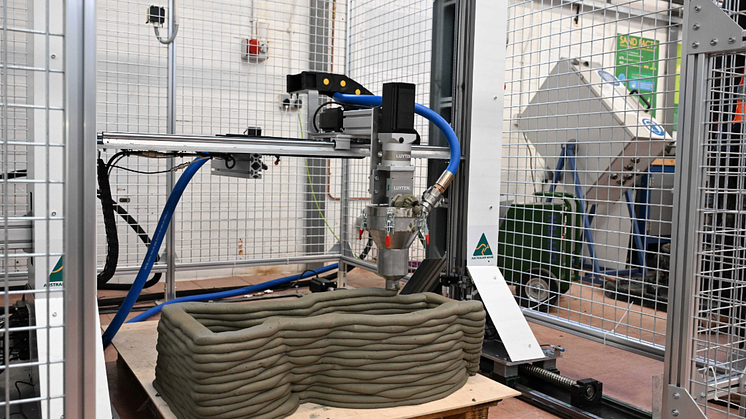
Northumbria University has been awarded a prestigious Marie Skłodowska-Curie Actions (MSCA) Fellowship to lead innovative research into low-carbon, 3D-printed construction materials.
Two PhD students from Northumbria University are taking part in a highly competitive space weather summer school at the world-renowned Los Alamos National Laboratory (LANL) in New Mexico, USA, this summer.
Northumbria University researchers have developed a biodegradable battery, the BioPower Cell, winning the prestigious Green Product Award 2025. This eco-friendly battery uses organic materials, offering a sustainable alternative to conventional batteries, and can ultimately be repurposed as fertilizer, reducing waste.
A glacier in Antarctica is committing “ice piracy” – stealing ice from a neighbour – in a phenomenon that has never been observed in such a short time frame, say scientists.
The team behind a circular economy initiative aimed at tackling plastic pollution, which includes experts from Northumbria University, is celebrating the launch of a toolkit designed to provide practical guidance on setting up recycling schemes across the world.
The Spring 2025 edition of Northumbria University’s newspaper is available to collect on campus or read online now.
Analysis of fossilised rocks known as stromatolites from more than two-and-a-half billion years ago has provided new insights into the conditions on Earth before the evolution of oxygen.
Researchers at Northumbria University, in partnership with Siemens Energy, aim to change the way obsolescence in gas turbine components is predicted and managed, leveraging cutting-edge artificial intelligence (AI) and machine learning technologies.
A new research hub in North East England, the FibER Hub, will investigate microfibre pollution from textiles. This collaboration aims to analyse environmental impacts and support sustainable textile development, focusing on reducing fibre shedding throughout the lifespan of fabrics.